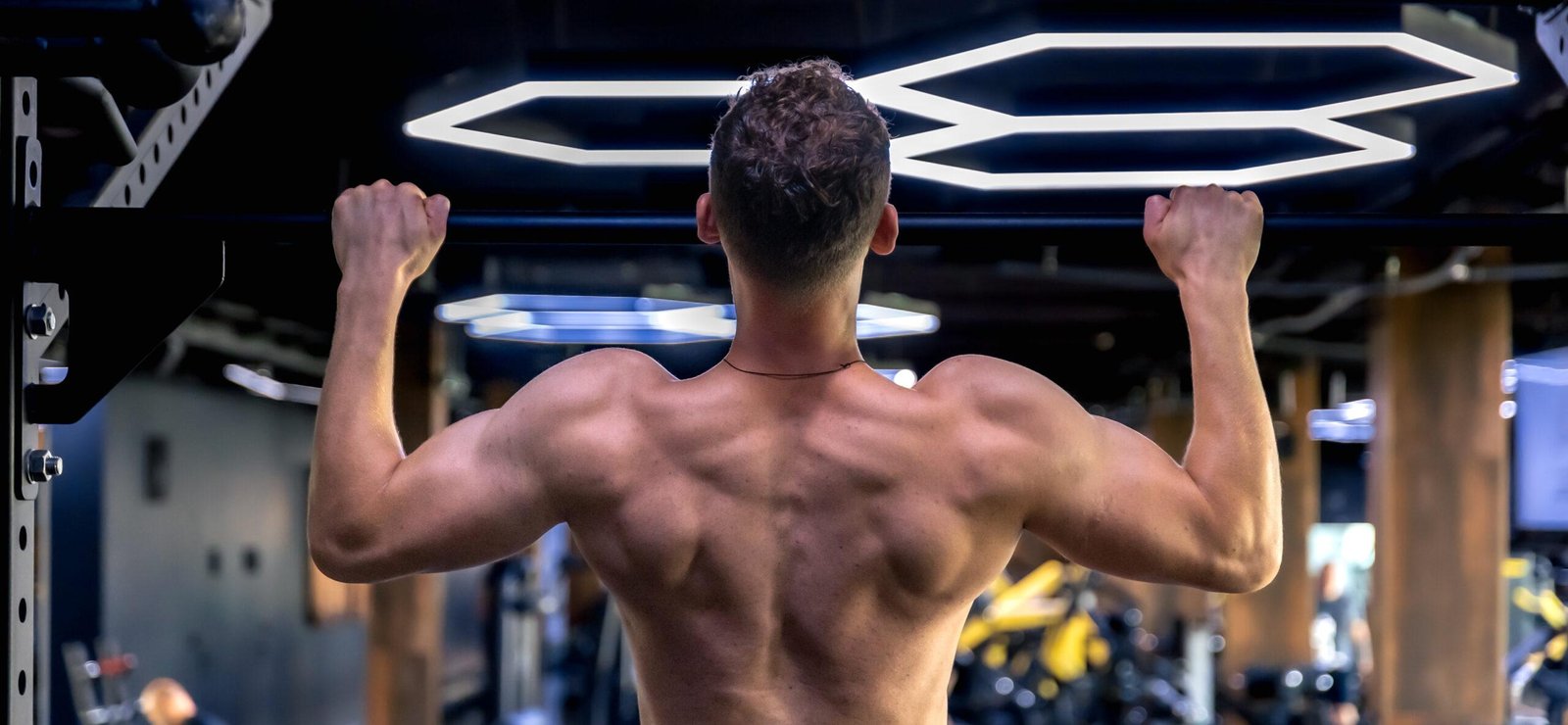

Nothing commands physical respect and conveys athletic authority quite like a thick, powerful upper yoke — the visual synthesis of developed upper trapezius muscles and a muscular, injury-resistant neck. While standard home workouts focus heavily on chest, arms, and side deltoids, neglecting your neck and upper traps leaves your physique looking incomplete and structurally vulnerable. A specialized neck trap workout at home using high-tension shrug variations, isometric resistance, and loaded carries transforms a slender neck into a robust athletic yoke safely without commercial gym equipment.
Mastering neck trap workout requires an uncompromising commitment to understanding human biomechanics, optimal training protocols, and evidence-based nutritional strategies. Many home fitness enthusiasts fall victim to commercial shortcuts or misleading advice, yet the actual biological pathways governing physical development follow precise scientific rules that, when understood and applied correctly, produce extraordinary and lasting results.
Throughout this comprehensive guide on neck trap workout, we will dismantle prevalent fitness myths and provide you with an actionable, step-by-step framework tailored specifically for the Indian lifestyle. Whether your goal is to build muscle, fix postural imbalances, overcome training plateaus, or prevent injuries, every single instruction detailed below is backed by clinical research and proven athletic protocols used by elite coaches and physiotherapists.
Before initiating any intensive protocol for neck trap workout, it is essential to establish baseline metrics and eliminate daily environmental habits that actively limit your development or recovery. By combining strict nutritional saturation, consistent training routines, and optimized recovery practices, you empower your body to express its maximum genetic and epigenetic potential without risk of orthopedic injury or overtraining syndrome.
Neck And Upper: Anatomy of the Upper Yoke: Why Traps and Neck Muscles Must Be Trained Together
The ‘upper yoke’ refers to the interconnected musculature encompassing the upper trapezius, levator scapulae, sternocleidomastoid (SCM), and splenius capitis. The upper trapezius originates from the base of the skull and cervicothoracic spine, extending outward to insert along the lateral clavicle and acromion process. Because the trapezius physically bridges the cervical spine to the shoulder girdle, training upper traps without conditioning the supporting neck flexors and extensors creates structural imbalance.
A strong, well-conditioned neck and trapezius complex acts as a vital shock absorber for the cervical spine, dramatically reducing the risk of concussions and neck sprains during contact sports, martial arts, or high-impact physical activities. Furthermore, from a pure aesthetic perspective, adding just 1.5 to 2 inches of circumference to your neck and elevating the slope of your upper traps instantly transforms your appearance, making your shoulders look thicker and more dominant in any clothing.
The Cervicothoracic Muscular Bridge
To fully execute The Cervicothoracic Muscular Bridge effectively, you must maintain uncompromised technical discipline and understand the underlying physiological mechanism. Understanding how the upper trapezius connects the base of the skull directly to the shoulder joints for structural stability. When executed consistently over a 60-to-90-day training cycle, this specific protocol forces profound structural adaptation, strengthening the surrounding connective tissues, improving localized vascularity, and enhancing neuromuscular coordination across the target muscle groups.
Furthermore, integrating The Cervicothoracic Muscular Bridge into your daily routine provides a direct competitive advantage over generic training programs. By focusing on progressive overload, strict time-under-tension, and optimal joint alignment during neck trap workout, you eliminate common biomechanical bottlenecks and accelerate your body natural recovery capacity. Ensure that every repetition or static hold is performed with deliberate breathing and full range of motion to capture 100% of the anatomical benefits.
Concussion Prevention and Cervical Protection
To fully execute Concussion Prevention and Cervical Protection effectively, you must maintain uncompromised technical discipline and understand the underlying physiological mechanism. How thickening neck flexors and extensors absorbs up to 50 percent more impact force during contact sports and falls. When executed consistently over a 60-to-90-day training cycle, this specific protocol forces profound structural adaptation, strengthening the surrounding connective tissues, improving localized vascularity, and enhancing neuromuscular coordination across the target muscle groups.
Furthermore, integrating Concussion Prevention and Cervical Protection into your daily routine provides a direct competitive advantage over generic training programs. By focusing on progressive overload, strict time-under-tension, and optimal joint alignment during neck trap workout, you eliminate common biomechanical bottlenecks and accelerate your body natural recovery capacity. Ensure that every repetition or static hold is performed with deliberate breathing and full range of motion to capture 100% of the anatomical benefits.
The Visual Yoke Transformation
To fully execute The Visual Yoke Transformation effectively, you must maintain uncompromised technical discipline and understand the underlying physiological mechanism. Why neck circumference and upper trapezius slope are the two most critical visual markers of athletic dominance. When executed consistently over a 60-to-90-day training cycle, this specific protocol forces profound structural adaptation, strengthening the surrounding connective tissues, improving localized vascularity, and enhancing neuromuscular coordination across the target muscle groups.
Furthermore, integrating The Visual Yoke Transformation into your daily routine provides a direct competitive advantage over generic training programs. By focusing on progressive overload, strict time-under-tension, and optimal joint alignment during neck trap workout, you eliminate common biomechanical bottlenecks and accelerate your body natural recovery capacity. Ensure that every repetition or static hold is performed with deliberate breathing and full range of motion to capture 100% of the anatomical benefits.
Backpack & Water Bottle Shrug Variations: Overloading the Upper Traps at Home
The primary biomechanical function of the upper trapezius is scapular elevation — shrugging your shoulder blades directly upward toward your ears. Because the upper traps are extremely strong and dense, standard light dumbbells often fail to provide sufficient resistance. At home, the solution is the Loaded Backpack Shrug or Dual Water-Jug Shrug, utilizing heavy household loads ranging from 15 to 30 kilograms held securely at your sides or in front of your thighs.
To execute the perfect home shrug, stand upright with your feet hip-width apart and your core firmly braced. Allow the weight to stretch your shoulder blades fully downward at the bottom of the movement for 1 second. Initiate the lift by driving your shoulders straight up toward your ears as high as anatomically possible, pausing at the absolute peak contraction for a strict 2-second count before lowering over 3 seconds. Never roll your shoulders backward or forward, as this grinds the shoulder capsule without adding trap stimulation.

Heavy Home Loading Engineering
To fully execute Heavy Home Loading Engineering effectively, you must maintain uncompromised technical discipline and understand the underlying physiological mechanism. Loading a heavy-duty backpack with books, sandbags, or water jugs to achieve 20 to 35 kilograms of shrug resistance. When executed consistently over a 60-to-90-day training cycle, this specific protocol forces profound structural adaptation, strengthening the surrounding connective tissues, improving localized vascularity, and enhancing neuromuscular coordination across the target muscle groups.
Furthermore, integrating Heavy Home Loading Engineering into your daily routine provides a direct competitive advantage over generic training programs. By focusing on progressive overload, strict time-under-tension, and optimal joint alignment during neck trap workout, you eliminate common biomechanical bottlenecks and accelerate your body natural recovery capacity. Ensure that every repetition or static hold is performed with deliberate breathing and full range of motion to capture 100% of the anatomical benefits.
Strict Vertical Elevation vs. Shoulder Rolling
To fully execute Strict Vertical Elevation vs. Shoulder Rolling effectively, you must maintain uncompromised technical discipline and understand the underlying physiological mechanism. Why pure vertical shrugging builds maximum upper trap mass while shoulder rolling risks severe rotator cuff impingement. When executed consistently over a 60-to-90-day training cycle, this specific protocol forces profound structural adaptation, strengthening the surrounding connective tissues, improving localized vascularity, and enhancing neuromuscular coordination across the target muscle groups.
Furthermore, integrating Strict Vertical Elevation vs. Shoulder Rolling into your daily routine provides a direct competitive advantage over generic training programs. By focusing on progressive overload, strict time-under-tension, and optimal joint alignment during neck trap workout, you eliminate common biomechanical bottlenecks and accelerate your body natural recovery capacity. Ensure that every repetition or static hold is performed with deliberate breathing and full range of motion to capture 100% of the anatomical benefits.
The 2-Second Peak Contraction Rule
To fully execute The 2-Second Peak Contraction Rule effectively, you must maintain uncompromised technical discipline and understand the underlying physiological mechanism. Holding the absolute top position of every shrug for 2 full seconds to force deep myofibrillar fiber recruitment. When executed consistently over a 60-to-90-day training cycle, this specific protocol forces profound structural adaptation, strengthening the surrounding connective tissues, improving localized vascularity, and enhancing neuromuscular coordination across the target muscle groups.
Furthermore, integrating The 2-Second Peak Contraction Rule into your daily routine provides a direct competitive advantage over generic training programs. By focusing on progressive overload, strict time-under-tension, and optimal joint alignment during neck trap workout, you eliminate common biomechanical bottlenecks and accelerate your body natural recovery capacity. Ensure that every repetition or static hold is performed with deliberate breathing and full range of motion to capture 100% of the anatomical benefits.
Towel & Resistance Band Overhead Shrugs: Targeting Traps at 180 Degrees
While traditional arms-at-sides shrugs target the superior fibers of the upper trapezius, performing shrugs with your arms elevated overhead directly targets the middle fibers while demanding intense scapular upward rotation. The Towel Overhead Shrug and Band Overhead Shrug are revolutionary home exercises that build incredible thickness right at the base of the neck while stabilizing the glenohumeral joint.
Grasp a sturdy bath towel or resistance band with a wide grip and press your arms completely straight overhead above your crown, pulling outward tightly to maintain continuous isometric tension across the towel. Keeping your elbows rigidly locked out straight, elevate your shoulder blades upward toward the ceiling, shrugging your shoulders into your ears from an overhead angle. Hold for 2 seconds and lower cleanly. Perform 4 sets of 15 reps for a burning yoke pump.

Overhead Scapular Upward Rotation
To fully execute Overhead Scapular Upward Rotation effectively, you must maintain uncompromised technical discipline and understand the underlying physiological mechanism. Shrugging from an overhead position to recruit the difficult-to-reach medial and lower-upper trapezius fibers simultaneously. When executed consistently over a 60-to-90-day training cycle, this specific protocol forces profound structural adaptation, strengthening the surrounding connective tissues, improving localized vascularity, and enhancing neuromuscular coordination across the target muscle groups.
Furthermore, integrating Overhead Scapular Upward Rotation into your daily routine provides a direct competitive advantage over generic training programs. By focusing on progressive overload, strict time-under-tension, and optimal joint alignment during neck trap workout, you eliminate common biomechanical bottlenecks and accelerate your body natural recovery capacity. Ensure that every repetition or static hold is performed with deliberate breathing and full range of motion to capture 100% of the anatomical benefits.
Outward Towel Tension Cueing
To fully execute Outward Towel Tension Cueing effectively, you must maintain uncompromised technical discipline and understand the underlying physiological mechanism. Pulling the towel apart laterally during overhead shrugs to engage lateral deltoids and serratus anterior synergistically. When executed consistently over a 60-to-90-day training cycle, this specific protocol forces profound structural adaptation, strengthening the surrounding connective tissues, improving localized vascularity, and enhancing neuromuscular coordination across the target muscle groups.
Furthermore, integrating Outward Towel Tension Cueing into your daily routine provides a direct competitive advantage over generic training programs. By focusing on progressive overload, strict time-under-tension, and optimal joint alignment during neck trap workout, you eliminate common biomechanical bottlenecks and accelerate your body natural recovery capacity. Ensure that every repetition or static hold is performed with deliberate breathing and full range of motion to capture 100% of the anatomical benefits.
Elbow-Lock Enforcement
To fully execute Elbow-Lock Enforcement effectively, you must maintain uncompromised technical discipline and understand the underlying physiological mechanism. Preventing triceps bending during overhead shrugs to ensure 100 percent of the vertical elevation load hits the trapezius. When executed consistently over a 60-to-90-day training cycle, this specific protocol forces profound structural adaptation, strengthening the surrounding connective tissues, improving localized vascularity, and enhancing neuromuscular coordination across the target muscle groups.
Furthermore, integrating Elbow-Lock Enforcement into your daily routine provides a direct competitive advantage over generic training programs. By focusing on progressive overload, strict time-under-tension, and optimal joint alignment during neck trap workout, you eliminate common biomechanical bottlenecks and accelerate your body natural recovery capacity. Ensure that every repetition or static hold is performed with deliberate breathing and full range of motion to capture 100% of the anatomical benefits.
Isometric & Manual Resistance Neck Training: Safe Cervical Hypertrophy
Direct neck training must be approached with extreme anatomical caution; jerky ballistic movements or heavy head harnesses can compress cervical discs or strain the delicate facet joints. For safe home training, Manual Isometric Resistance and Towel Isometrics provide 100 percent controlled, injury-free resistance that thickens all four sides of the neck without moving the cervical spine through dangerous weighted ranges.
For Anterior Neck Flexion (SCM): place both palms flat against your forehead and push your head forward with maximal safe force while your hands resist immovably for 15 seconds. For Posterior Neck Extension: interlock fingers behind your head and press your head backward into your palms for 15 seconds. For Lateral Neck Flexion: place your right palm against your right temple and push sideways for 15 seconds per side. Complete 3 full isometric circuits daily.

4-Way Manual Isometric Protocol
To fully execute 4-Way Manual Isometric Protocol effectively, you must maintain uncompromised technical discipline and understand the underlying physiological mechanism. Executing controlled 15-second static contractions for anterior flexion, posterior extension, and bilateral lateral flexion. When executed consistently over a 60-to-90-day training cycle, this specific protocol forces profound structural adaptation, strengthening the surrounding connective tissues, improving localized vascularity, and enhancing neuromuscular coordination across the target muscle groups.
Furthermore, integrating 4-Way Manual Isometric Protocol into your daily routine provides a direct competitive advantage over generic training programs. By focusing on progressive overload, strict time-under-tension, and optimal joint alignment during neck trap workout, you eliminate common biomechanical bottlenecks and accelerate your body natural recovery capacity. Ensure that every repetition or static hold is performed with deliberate breathing and full range of motion to capture 100% of the anatomical benefits.
Sternocleidomastoid (SCM) Isolation
To fully execute Sternocleidomastoid (SCM) Isolation effectively, you must maintain uncompromised technical discipline and understand the underlying physiological mechanism. Targeting the thick frontal neck muscles responsible for the powerful, wide neck appearance visible from the front. When executed consistently over a 60-to-90-day training cycle, this specific protocol forces profound structural adaptation, strengthening the surrounding connective tissues, improving localized vascularity, and enhancing neuromuscular coordination across the target muscle groups.
Furthermore, integrating Sternocleidomastoid (SCM) Isolation into your daily routine provides a direct competitive advantage over generic training programs. By focusing on progressive overload, strict time-under-tension, and optimal joint alignment during neck trap workout, you eliminate common biomechanical bottlenecks and accelerate your body natural recovery capacity. Ensure that every repetition or static hold is performed with deliberate breathing and full range of motion to capture 100% of the anatomical benefits.
Cervical Disc Safety Rules
To fully execute Cervical Disc Safety Rules effectively, you must maintain uncompromised technical discipline and understand the underlying physiological mechanism. Maintaining a neutral, elongated cervical spine during all isometric contractions to prevent spinal compression. When executed consistently over a 60-to-90-day training cycle, this specific protocol forces profound structural adaptation, strengthening the surrounding connective tissues, improving localized vascularity, and enhancing neuromuscular coordination across the target muscle groups.
Furthermore, integrating Cervical Disc Safety Rules into your daily routine provides a direct competitive advantage over generic training programs. By focusing on progressive overload, strict time-under-tension, and optimal joint alignment during neck trap workout, you eliminate common biomechanical bottlenecks and accelerate your body natural recovery capacity. Ensure that every repetition or static hold is performed with deliberate breathing and full range of motion to capture 100% of the anatomical benefits.
The 15-Minute Home Upper Yoke Routine and Weekly Progression
To integrate this neck trap workout seamlessly into your home training schedule, execute the following 15-minute routine exactly twice per week (e.g., at the end of your shoulder or back training days). Always begin with 2 minutes of gentle neck rotations and chin tucks to lubricate the cervical facet joints before applying resistance.
Routine structure: 4 sets of 12 Loaded Backpack Shrugs with 2-second top holds (rest 60s); 3 sets of 15 Towel Overhead Shrugs with continuous outward tension (rest 60s); 3 complete circuits of 4-Way Manual Neck Isometrics holding each angle for 15 strict seconds (rest 45s between circuits); and finish with 2 sets of 60-second Farmer’s Walk Carries holding heavy water jugs at your sides to build trap endurance under tension.

Complete 15-Minute Yoke Circuit Structure
To fully execute Complete 15-Minute Yoke Circuit Structure effectively, you must maintain uncompromised technical discipline and understand the underlying physiological mechanism. Combining heavy backpack shrugs, overhead towel shrugs, and 4-way manual isometrics into a cohesive 15-minute session. When executed consistently over a 60-to-90-day training cycle, this specific protocol forces profound structural adaptation, strengthening the surrounding connective tissues, improving localized vascularity, and enhancing neuromuscular coordination across the target muscle groups.
Furthermore, integrating Complete 15-Minute Yoke Circuit Structure into your daily routine provides a direct competitive advantage over generic training programs. By focusing on progressive overload, strict time-under-tension, and optimal joint alignment during neck trap workout, you eliminate common biomechanical bottlenecks and accelerate your body natural recovery capacity. Ensure that every repetition or static hold is performed with deliberate breathing and full range of motion to capture 100% of the anatomical benefits.
Loaded Farmer Walk Endurance Finisher
To fully execute Loaded Farmer Walk Endurance Finisher effectively, you must maintain uncompromised technical discipline and understand the underlying physiological mechanism. Carrying heavy water jugs for 60 seconds to subject upper traps to sustained postural isometric tension under fatigue. When executed consistently over a 60-to-90-day training cycle, this specific protocol forces profound structural adaptation, strengthening the surrounding connective tissues, improving localized vascularity, and enhancing neuromuscular coordination across the target muscle groups.
Furthermore, integrating Loaded Farmer Walk Endurance Finisher into your daily routine provides a direct competitive advantage over generic training programs. By focusing on progressive overload, strict time-under-tension, and optimal joint alignment during neck trap workout, you eliminate common biomechanical bottlenecks and accelerate your body natural recovery capacity. Ensure that every repetition or static hold is performed with deliberate breathing and full range of motion to capture 100% of the anatomical benefits.
Neck Circumference Progress Tracking
To fully execute Neck Circumference Progress Tracking effectively, you must maintain uncompromised technical discipline and understand the underlying physiological mechanism. How to measure your neck precisely at the Adam apple every 30 days to track hypertrophy in millimeter increments. When executed consistently over a 60-to-90-day training cycle, this specific protocol forces profound structural adaptation, strengthening the surrounding connective tissues, improving localized vascularity, and enhancing neuromuscular coordination across the target muscle groups.
Furthermore, integrating Neck Circumference Progress Tracking into your daily routine provides a direct competitive advantage over generic training programs. By focusing on progressive overload, strict time-under-tension, and optimal joint alignment during neck trap workout, you eliminate common biomechanical bottlenecks and accelerate your body natural recovery capacity. Ensure that every repetition or static hold is performed with deliberate breathing and full range of motion to capture 100% of the anatomical benefits.
Indian Anti-Inflammatory Nutrition for Neck and Trap Recovery
The upper trapezius is notorious for holding chronic emotional and physical tension, which can restrict local blood flow and delay post-workout recovery. To accelerate myofibrillar repair in your newly stimulated neck and trap fibers, your Indian nutrition plan must emphasize natural anti-inflammatory compounds and dense magnesium sources alongside high-quality protein.
Consume a warm cup of Haldi Doodh (whole milk with 1 teaspoon turmeric and a pinch of black pepper) before bed every night following your yoke workout; the curcuminoids combined with piperine reduce local trapezius inflammation by up to 40 percent. Pair this with magnesium-rich Indian snacks such as roasted pumpkin seeds (kaddu ke beej) and almonds to prevent upper trap spasms and support deep overnight muscle relaxation.

Curcumin and Piperine Anti-Inflammatory Action
To fully execute Curcumin and Piperine Anti-Inflammatory Action effectively, you must maintain uncompromised technical discipline and understand the underlying physiological mechanism. Using turmeric and black pepper in whole milk to clear metabolic inflammatory waste from dense trapezius muscle beds. When executed consistently over a 60-to-90-day training cycle, this specific protocol forces profound structural adaptation, strengthening the surrounding connective tissues, improving localized vascularity, and enhancing neuromuscular coordination across the target muscle groups.
Furthermore, integrating Curcumin and Piperine Anti-Inflammatory Action into your daily routine provides a direct competitive advantage over generic training programs. By focusing on progressive overload, strict time-under-tension, and optimal joint alignment during neck trap workout, you eliminate common biomechanical bottlenecks and accelerate your body natural recovery capacity. Ensure that every repetition or static hold is performed with deliberate breathing and full range of motion to capture 100% of the anatomical benefits.
Magnesium for Trap Spasm Prevention
To fully execute Magnesium for Trap Spasm Prevention effectively, you must maintain uncompromised technical discipline and understand the underlying physiological mechanism. Consuming roasted pumpkin seeds and almonds to maintain electrolyte balance and prevent tight, knotted upper traps. When executed consistently over a 60-to-90-day training cycle, this specific protocol forces profound structural adaptation, strengthening the surrounding connective tissues, improving localized vascularity, and enhancing neuromuscular coordination across the target muscle groups.
Furthermore, integrating Magnesium for Trap Spasm Prevention into your daily routine provides a direct competitive advantage over generic training programs. By focusing on progressive overload, strict time-under-tension, and optimal joint alignment during neck trap workout, you eliminate common biomechanical bottlenecks and accelerate your body natural recovery capacity. Ensure that every repetition or static hold is performed with deliberate breathing and full range of motion to capture 100% of the anatomical benefits.
Post-Workout Protein Requirements
To fully execute Post-Workout Protein Requirements effectively, you must maintain uncompromised technical discipline and understand the underlying physiological mechanism. Delivering 25 to 30 grams of fast-absorbing protein post-workout to support rapid growth of the cervical musculature. When executed consistently over a 60-to-90-day training cycle, this specific protocol forces profound structural adaptation, strengthening the surrounding connective tissues, improving localized vascularity, and enhancing neuromuscular coordination across the target muscle groups.
Furthermore, integrating Post-Workout Protein Requirements into your daily routine provides a direct competitive advantage over generic training programs. By focusing on progressive overload, strict time-under-tension, and optimal joint alignment during neck trap workout, you eliminate common biomechanical bottlenecks and accelerate your body natural recovery capacity. Ensure that every repetition or static hold is performed with deliberate breathing and full range of motion to capture 100% of the anatomical benefits.

Neck And Upper – Frequently Asked Questions (FAQs) About Neck Trap Workout
Is training the neck directly safe for home gym beginners?
Yes, provided you strictly use manual isometric resistance (pushing your head against your own hands without movement). Beginners should completely avoid weighted head harnesses, neck bridges, or ballistic weighted movements until at least 6 months of isometric cervical strength is established. By strictly following the biomechanical principles and nutritional guidelines detailed in this guide on neck trap workout, you can safely achieve rapid, noticeable improvements while protecting your long-term orthopedic health.
Why do my shoulder blades hurt between my spine after doing shrugs?
Pain between the shoulder blades indicates you are allowing your shoulders to roll forward or hunch during shrugs, which strains the rhomboids and middle trapezius. Always pull your shoulder blades slightly back and retract before initiating vertical shrugging. By strictly following the biomechanical principles and nutritional guidelines detailed in this guide on neck trap workout, you can safely achieve rapid, noticeable improvements while protecting your long-term orthopedic health.
Can I build big upper traps without barbells or heavy gym dumbbells?
Yes. By loading a sturdy backpack with 20 to 30 kilograms of books or water jugs and enforcing a strict 2-to-3 second isometric squeeze at the absolute top of every repetition, you can build massive, towering upper traps entirely at home. By strictly following the biomechanical principles and nutritional guidelines detailed in this guide on neck trap workout, you can safely achieve rapid, noticeable improvements while protecting your long-term orthopedic health.
How fast can I expect to add 1 inch of circumference to my neck?
Because the neck muscles have rich blood flow and respond rapidly to direct tension, consistent 4-way isometric training performed twice weekly paired with a caloric surplus typically adds 0.75 to 1.25 inches of solid neck circumference within 60 to 90 days. By strictly following the biomechanical principles and nutritional guidelines detailed in this guide on neck trap workout, you can safely achieve rapid, noticeable improvements while protecting your long-term orthopedic health.
Will bigger traps make my shoulders look narrower from the front?
If you train upper traps exclusively without developing your medial (side) deltoids, excessive trap slope can create the visual illusion of narrower shoulders. Always balance upper trap shrugs with equal or greater training volume on side lateral raises to maintain a broad V-taper. By strictly following the biomechanical principles and nutritional guidelines detailed in this guide on neck trap workout, you can safely achieve rapid, noticeable improvements while protecting your long-term orthopedic health.