
Shoulder pain is the third most common musculoskeletal complaint worldwide, affecting an estimated 26 percent of the global population at any given moment, and it is particularly prevalent among Indian office workers, students, software engineers, and home fitness enthusiasts who perform excessive pushing exercises without balancing posterior chain work. The three most common root causes are subacromial impingement syndrome, rotator cuff tendinopathy, and glenohumeral internal rotation deficit. Effective shoulder pain relief is achievable at home.
nnnMastering shoulder pain relief requires an uncompromising commitment to understanding human biomechanics, optimal training protocols, and evidence-based nutritional strategies. Many home fitness enthusiasts fall victim to commercial shortcuts or misleading advice, yet the actual biological pathways governing physical development follow precise scientific rules that, when understood and applied correctly, produce extraordinary and lasting results.
nnnThroughout this comprehensive guide on shoulder pain relief, we will dismantle prevalent fitness myths and provide you with an actionable, step-by-step framework tailored specifically for the Indian lifestyle. Whether your goal is to build wider shoulders, fix postural imbalances, overcome training plateaus, or prevent shoulder injuries, every single instruction detailed below is backed by clinical research and proven athletic protocols used by elite coaches and physiotherapists.
nnnBefore initiating any intensive protocol for shoulder pain relief, it is essential to establish baseline metrics and eliminate daily environmental habits that actively limit your shoulder development or recovery. By combining strict nutritional saturation, consistent training routines, and optimized recovery practices, you empower your body to express its maximum genetic and epigenetic potential without risk of orthopedic injury or overtraining syndrome.
nnnUnderstanding the Root Causes of Common Shoulder Pain
nnnSubacromial impingement occurs when the supraspinatus tendon or subacromial bursa is repeatedly compressed between the humeral head and the underside of the acromion process during overhead arm elevation. This condition is caused by forward head posture, weak serratus anterior, and tight pectoralis minor that together prevent the scapula from upwardly rotating adequately during arm elevation.
nnnRotator cuff tendinopathy results from cumulative mechanical overload of the rotator cuff tendons without adequate recovery, causing collagen fiber disruption and chronic low-grade inflammation that manifests as persistent, aching shoulder discomfort particularly when lifting the arm above 90 degrees. Identifying and addressing the root cause is essential for lasting shoulder pain relief rather than temporary symptom management that allows underlying dysfunction to worsen.
nnn
Subacromial Impingement Syndrome: The Most Common Pain Source
nnnTo fully execute Subacromial Impingement Syndrome: The Most Common Pain Source effectively, you must maintain uncompromised technical discipline and understand the underlying physiological mechanism. Understanding how poor posture and weak serratus anterior create the impingement that causes shoulder pain. When executed consistently over a 60-to-90-day training cycle, this specific protocol forces profound structural adaptation, strengthening the surrounding connective tissues, improving localized vascularity, and enhancing neuromuscular coordination across the target muscle groups.
nnnFurthermore, integrating Subacromial Impingement Syndrome: The Most Common Pain Source into your daily routine provides a direct competitive advantage over generic training programs. By focusing on progressive overload, strict time-under-tension, and optimal joint alignment during shoulder pain relief, you eliminate common biomechanical bottlenecks and accelerate your body natural recovery capacity. Ensure that every repetition or static hold is performed with deliberate breathing and full range of motion to capture 100% of the anatomical benefits.
nnnRotator Cuff Tendinopathy vs. Rotator Cuff Tear
nnnTo fully execute Rotator Cuff Tendinopathy vs. Rotator Cuff Tear effectively, you must maintain uncompromised technical discipline and understand the underlying physiological mechanism. Differentiating between the painful but manageable tendinopathy and the more serious structural tear requiring surgery. When executed consistently over a 60-to-90-day training cycle, this specific protocol forces profound structural adaptation, strengthening the surrounding connective tissues, improving localized vascularity, and enhancing neuromuscular coordination across the target muscle groups.
nnnFurthermore, integrating Rotator Cuff Tendinopathy vs. Rotator Cuff Tear into your daily routine provides a direct competitive advantage over generic training programs. By focusing on progressive overload, strict time-under-tension, and optimal joint alignment during shoulder pain relief, you eliminate common biomechanical bottlenecks and accelerate your body natural recovery capacity. Ensure that every repetition or static hold is performed with deliberate breathing and full range of motion to capture 100% of the anatomical benefits.
nnnGIRD — Glenohumeral Internal Rotation Deficit
nnnTo fully execute GIRD — Glenohumeral Internal Rotation Deficit effectively, you must maintain uncompromised technical discipline and understand the underlying physiological mechanism. The hidden shoulder condition common in throwing athletes and pushup-dominant home trainers. When executed consistently over a 60-to-90-day training cycle, this specific protocol forces profound structural adaptation, strengthening the surrounding connective tissues, improving localized vascularity, and enhancing neuromuscular coordination across the target muscle groups.
nnnFurthermore, integrating GIRD — Glenohumeral Internal Rotation Deficit into your daily routine provides a direct competitive advantage over generic training programs. By focusing on progressive overload, strict time-under-tension, and optimal joint alignment during shoulder pain relief, you eliminate common biomechanical bottlenecks and accelerate your body natural recovery capacity. Ensure that every repetition or static hold is performed with deliberate breathing and full range of motion to capture 100% of the anatomical benefits.
nnnThe 7 Essential Home Exercises for Shoulder Pain Relief
nnnExercise 1: Pendulum Circles — lean forward with your healthy arm on a table, let the affected arm hang freely, and use body momentum to create small clockwise and counterclockwise circles for 2 minutes. Exercise 2: Cross-Body Shoulder Stretch — bring the affected arm horizontally across your chest and use the opposite hand to gently press it closer. Hold 30 seconds x 3 sets. Exercise 3: Doorway Pectoralis Stretch with elbows at 90 degrees, leaning forward to stretch the anterior shoulder capsule.
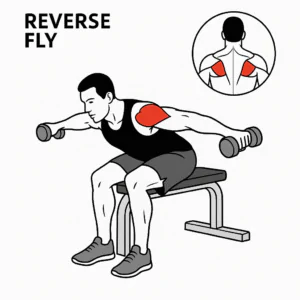
nnnExercise 4: Sleeper Stretch — lie on your side on the affected shoulder with elbow bent to 90 degrees, and gently press the forearm downward toward the floor with your opposite hand to stretch the posterior shoulder capsule and address glenohumeral internal rotation deficit. Exercise 5: Band External Rotation for direct rotator cuff strengthening. Exercise 6: Prone Y Raise for lower trapezius and posterior delt activation. Exercise 7: Wall Slide Overhead for scapular upward rotation retraining.
nnn
Pendulum Circles — Joint Decompression Technique
nnnTo fully execute Pendulum Circles — Joint Decompression Technique effectively, you must maintain uncompromised technical discipline and understand the underlying physiological mechanism. Using gravity-assisted traction to create shoulder joint space and relieve impingement pain immediately. When executed consistently over a 60-to-90-day training cycle, this specific protocol forces profound structural adaptation, strengthening the surrounding connective tissues, improving localized vascularity, and enhancing neuromuscular coordination across the target muscle groups.
nnnFurthermore, integrating Pendulum Circles — Joint Decompression Technique into your daily routine provides a direct competitive advantage over generic training programs. By focusing on progressive overload, strict time-under-tension, and optimal joint alignment during shoulder pain relief, you eliminate common biomechanical bottlenecks and accelerate your body natural recovery capacity. Ensure that every repetition or static hold is performed with deliberate breathing and full range of motion to capture 100% of the anatomical benefits.
nnnSleeper Stretch — Posterior Capsule Release
nnnTo fully execute Sleeper Stretch — Posterior Capsule Release effectively, you must maintain uncompromised technical discipline and understand the underlying physiological mechanism. Addressing glenohumeral internal rotation deficit through the most clinically effective posterior capsule stretch. When executed consistently over a 60-to-90-day training cycle, this specific protocol forces profound structural adaptation, strengthening the surrounding connective tissues, improving localized vascularity, and enhancing neuromuscular coordination across the target muscle groups.
nnnFurthermore, integrating Sleeper Stretch — Posterior Capsule Release into your daily routine provides a direct competitive advantage over generic training programs. By focusing on progressive overload, strict time-under-tension, and optimal joint alignment during shoulder pain relief, you eliminate common biomechanical bottlenecks and accelerate your body natural recovery capacity. Ensure that every repetition or static hold is performed with deliberate breathing and full range of motion to capture 100% of the anatomical benefits.
nnnWall Slide Overhead — Scapular Upward Rotation Retraining
nnnTo fully execute Wall Slide Overhead — Scapular Upward Rotation Retraining effectively, you must maintain uncompromised technical discipline and understand the underlying physiological mechanism. Rebuilding the proper scapular movement pattern that prevents impingement during overhead arm elevation. When executed consistently over a 60-to-90-day training cycle, this specific protocol forces profound structural adaptation, strengthening the surrounding connective tissues, improving localized vascularity, and enhancing neuromuscular coordination across the target muscle groups.
nnnFurthermore, integrating Wall Slide Overhead — Scapular Upward Rotation Retraining into your daily routine provides a direct competitive advantage over generic training programs. By focusing on progressive overload, strict time-under-tension, and optimal joint alignment during shoulder pain relief, you eliminate common biomechanical bottlenecks and accelerate your body natural recovery capacity. Ensure that every repetition or static hold is performed with deliberate breathing and full range of motion to capture 100% of the anatomical benefits.
nnnSafe Return to Training After Shoulder Pain: The Traffic Light System
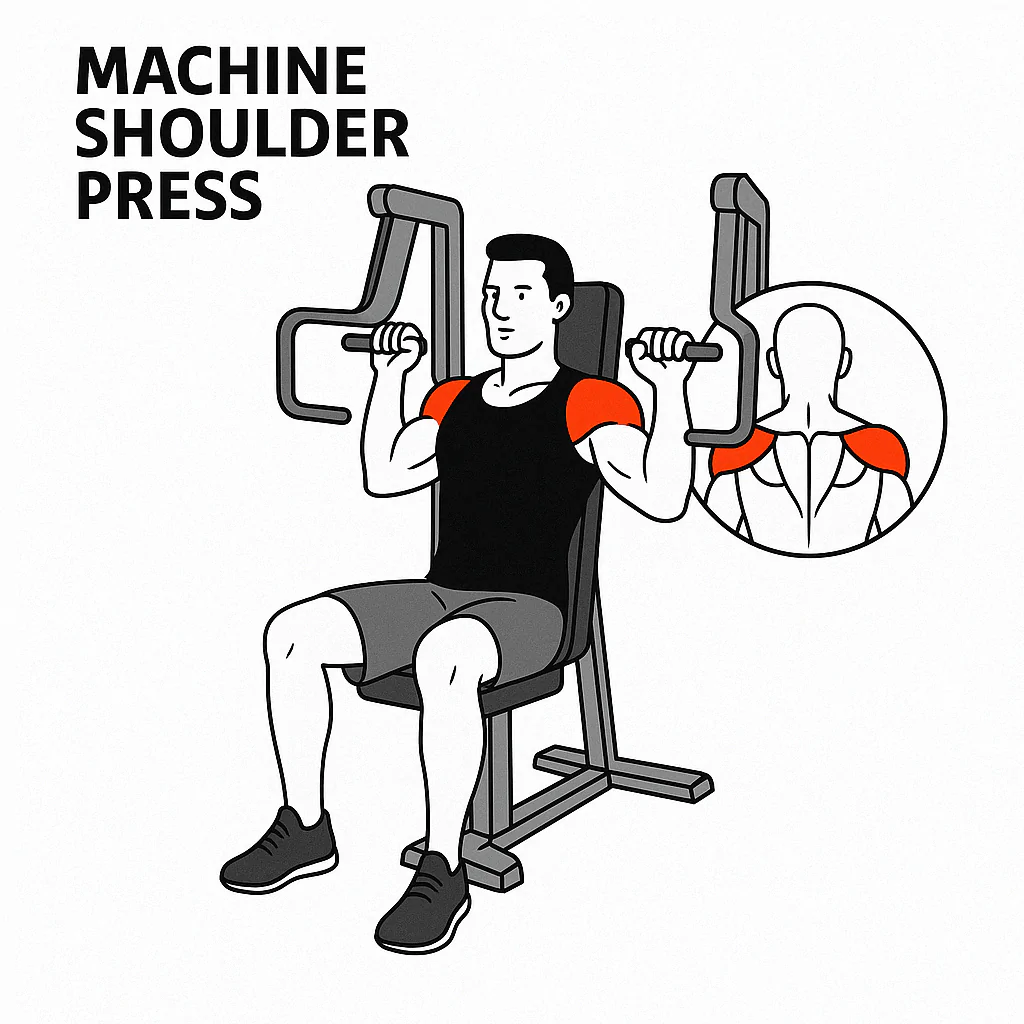
nnnGreen Light Exercises are safe to perform at any pain level: pendulum circles, external rotation at side, prone Y-T raises, wall slides, and band pull-aparts. These exercises actively rehabilitate the shoulder without causing compression or shearing forces that aggravate impingement or tendinopathy. Yellow Light Exercises should only be performed when pain is below 3 out of 10: lateral raises, face pulls, pike pushups (incline only), and dumbbell overhead press with limited range of motion.
nnnRed Light Exercises should be completely avoided until pain resolves to zero: behind-the-neck press, upright rows performed with narrow grip, overhead activities with internal rotation, and any exercise that reproduces the sharp or pinching shoulder pain during or after the movement. Advance from Red to Yellow to Green progressively over 4-8 weeks of consistent rehabilitation practice, never rushing progression based on impatience rather than genuine pain resolution.
nnn
Green Light — Safe Rehabilitation Exercises
nnnTo fully execute Green Light — Safe Rehabilitation Exercises effectively, you must maintain uncompromised technical discipline and understand the underlying physiological mechanism. Exercises that actively rehabilitate the shoulder without causing impingement or rotator cuff aggravation. When executed consistently over a 60-to-90-day training cycle, this specific protocol forces profound structural adaptation, strengthening the surrounding connective tissues, improving localized vascularity, and enhancing neuromuscular coordination across the target muscle groups.
nnnFurthermore, integrating Green Light — Safe Rehabilitation Exercises into your daily routine provides a direct competitive advantage over generic training programs. By focusing on progressive overload, strict time-under-tension, and optimal joint alignment during shoulder pain relief, you eliminate common biomechanical bottlenecks and accelerate your body natural recovery capacity. Ensure that every repetition or static hold is performed with deliberate breathing and full range of motion to capture 100% of the anatomical benefits.
nnnYellow Light — Pain-Level-Dependent Activities
nnnTo fully execute Yellow Light — Pain-Level-Dependent Activities effectively, you must maintain uncompromised technical discipline and understand the underlying physiological mechanism. The intermediate exercises that are safe below pain level 3 and should be avoided above it during recovery. When executed consistently over a 60-to-90-day training cycle, this specific protocol forces profound structural adaptation, strengthening the surrounding connective tissues, improving localized vascularity, and enhancing neuromuscular coordination across the target muscle groups.
nnnFurthermore, integrating Yellow Light — Pain-Level-Dependent Activities into your daily routine provides a direct competitive advantage over generic training programs. By focusing on progressive overload, strict time-under-tension, and optimal joint alignment during shoulder pain relief, you eliminate common biomechanical bottlenecks and accelerate your body natural recovery capacity. Ensure that every repetition or static hold is performed with deliberate breathing and full range of motion to capture 100% of the anatomical benefits.
nnnRed Light — Complete Avoidance During Rehabilitation
nnnTo fully execute Red Light — Complete Avoidance During Rehabilitation effectively, you must maintain uncompromised technical discipline and understand the underlying physiological mechanism. High-risk shoulder exercises that must be eliminated until full pain-free movement is restored. When executed consistently over a 60-to-90-day training cycle, this specific protocol forces profound structural adaptation, strengthening the surrounding connective tissues, improving localized vascularity, and enhancing neuromuscular coordination across the target muscle groups.
nnnFurthermore, integrating Red Light — Complete Avoidance During Rehabilitation into your daily routine provides a direct competitive advantage over generic training programs. By focusing on progressive overload, strict time-under-tension, and optimal joint alignment during shoulder pain relief, you eliminate common biomechanical bottlenecks and accelerate your body natural recovery capacity. Ensure that every repetition or static hold is performed with deliberate breathing and full range of motion to capture 100% of the anatomical benefits.
nnnPostural Correction to Eliminate the Root Cause of Shoulder Pain
nnnThe single most effective intervention for preventing shoulder pain recurrence is comprehensive postural correction targeting three primary structural contributors: tight pectoralis minor, weak lower trapezius, and inhibited serratus anterior. The pectoralis minor tightness tilts the scapula into anterior tilt, which reduces acromiohumeral space during overhead motion and directly creates the impingement mechanism that causes chronic shoulder pain.
nnnThe lower trapezius, when weak, fails to depress and retract the scapula during overhead pressing, causing the acromion to descend toward the humeral head. The serratus anterior is responsible for protracting and upwardly rotating the scapula during arm elevation. Performing 3 sets of 15 serratus wall push-ups daily restores this critical scapular stabilizer function within 4-6 weeks, significantly reducing impingement pain.
nnn
Pectoralis Minor Tightness — The Scapular Tilt Driver
nnnTo fully execute Pectoralis Minor Tightness — The Scapular Tilt Driver effectively, you must maintain uncompromised technical discipline and understand the underlying physiological mechanism. How a tight pec minor tilts the scapula forward and reduces acromiohumeral space during overhead movement. When executed consistently over a 60-to-90-day training cycle, this specific protocol forces profound structural adaptation, strengthening the surrounding connective tissues, improving localized vascularity, and enhancing neuromuscular coordination across the target muscle groups.
nnnFurthermore, integrating Pectoralis Minor Tightness — The Scapular Tilt Driver into your daily routine provides a direct competitive advantage over generic training programs. By focusing on progressive overload, strict time-under-tension, and optimal joint alignment during shoulder pain relief, you eliminate common biomechanical bottlenecks and accelerate your body natural recovery capacity. Ensure that every repetition or static hold is performed with deliberate breathing and full range of motion to capture 100% of the anatomical benefits.
nnnLower Trapezius Weakness and Scapular Depression Failure
nnnTo fully execute Lower Trapezius Weakness and Scapular Depression Failure effectively, you must maintain uncompromised technical discipline and understand the underlying physiological mechanism. Why weak lower traps cause the acromion to descend into the subacromial space during overhead activities. When executed consistently over a 60-to-90-day training cycle, this specific protocol forces profound structural adaptation, strengthening the surrounding connective tissues, improving localized vascularity, and enhancing neuromuscular coordination across the target muscle groups.
nnnFurthermore, integrating Lower Trapezius Weakness and Scapular Depression Failure into your daily routine provides a direct competitive advantage over generic training programs. By focusing on progressive overload, strict time-under-tension, and optimal joint alignment during shoulder pain relief, you eliminate common biomechanical bottlenecks and accelerate your body natural recovery capacity. Ensure that every repetition or static hold is performed with deliberate breathing and full range of motion to capture 100% of the anatomical benefits.
nnnSerratus Anterior Rehabilitation for Scapular Upward Rotation
nnnTo fully execute Serratus Anterior Rehabilitation for Scapular Upward Rotation effectively, you must maintain uncompromised technical discipline and understand the underlying physiological mechanism. Training the boxer muscle to restore proper scapular upward rotation and eliminate impingement mechanics. When executed consistently over a 60-to-90-day training cycle, this specific protocol forces profound structural adaptation, strengthening the surrounding connective tissues, improving localized vascularity, and enhancing neuromuscular coordination across the target muscle groups.
nnnFurthermore, integrating Serratus Anterior Rehabilitation for Scapular Upward Rotation into your daily routine provides a direct competitive advantage over generic training programs. By focusing on progressive overload, strict time-under-tension, and optimal joint alignment during shoulder pain relief, you eliminate common biomechanical bottlenecks and accelerate your body natural recovery capacity. Ensure that every repetition or static hold is performed with deliberate breathing and full range of motion to capture 100% of the anatomical benefits.
nnnAdvanced Rehabilitation: Eccentric Loading for Tendinopathy Recovery
nnnFor rotator cuff tendinopathy that has not resolved with standard stretching and strengthening protocols, eccentric loading is the gold-standard clinical rehabilitation technique. Eccentric exercises for the rotator cuff involve slowly lowering the arm against resistance during external or internal rotation exercises over 4-5 seconds per repetition, creating the specific mechanical stimulus needed to trigger collagen remodeling within damaged tendons.
nnnThe mechanism behind eccentric tendinopathy rehabilitation is mechanical tendon stimulation: slow eccentric loading disrupts disordered collagen fiber arrangements within the tendinopathic tendon and stimulates tenocytes to produce new, organized Type I collagen fibers that restore tendon structural integrity. Perform 3 sets of 15 slow eccentric external rotations daily for 6-8 weeks. Clinical studies show 80 percent of rotator cuff tendinopathy cases resolve completely with consistent eccentric loading protocols.
nnn
Eccentric Loading Mechanism for Tendon Healing
nnnTo fully execute Eccentric Loading Mechanism for Tendon Healing effectively, you must maintain uncompromised technical discipline and understand the underlying physiological mechanism. How slow eccentric contractions stimulate tenocytes to rebuild organized collagen in damaged rotator cuff tendons. When executed consistently over a 60-to-90-day training cycle, this specific protocol forces profound structural adaptation, strengthening the surrounding connective tissues, improving localized vascularity, and enhancing neuromuscular coordination across the target muscle groups.
nnnFurthermore, integrating Eccentric Loading Mechanism for Tendon Healing into your daily routine provides a direct competitive advantage over generic training programs. By focusing on progressive overload, strict time-under-tension, and optimal joint alignment during shoulder pain relief, you eliminate common biomechanical bottlenecks and accelerate your body natural recovery capacity. Ensure that every repetition or static hold is performed with deliberate breathing and full range of motion to capture 100% of the anatomical benefits.
nnn4-5 Second Eccentric Protocol for External Rotation
nnnTo fully execute 4-5 Second Eccentric Protocol for External Rotation effectively, you must maintain uncompromised technical discipline and understand the underlying physiological mechanism. The precise slow eccentric technique for band external rotation that rehabilitates infraspinatus tendinopathy. When executed consistently over a 60-to-90-day training cycle, this specific protocol forces profound structural adaptation, strengthening the surrounding connective tissues, improving localized vascularity, and enhancing neuromuscular coordination across the target muscle groups.
nnnFurthermore, integrating 4-5 Second Eccentric Protocol for External Rotation into your daily routine provides a direct competitive advantage over generic training programs. By focusing on progressive overload, strict time-under-tension, and optimal joint alignment during shoulder pain relief, you eliminate common biomechanical bottlenecks and accelerate your body natural recovery capacity. Ensure that every repetition or static hold is performed with deliberate breathing and full range of motion to capture 100% of the anatomical benefits.
nnn6-8 Week Eccentric Resolution Timeline
nnnTo fully execute 6-8 Week Eccentric Resolution Timeline effectively, you must maintain uncompromised technical discipline and understand the underlying physiological mechanism. Clinical evidence showing 80% resolution of rotator cuff tendinopathy with consistent eccentric loading protocols. When executed consistently over a 60-to-90-day training cycle, this specific protocol forces profound structural adaptation, strengthening the surrounding connective tissues, improving localized vascularity, and enhancing neuromuscular coordination across the target muscle groups.
nnnFurthermore, integrating 6-8 Week Eccentric Resolution Timeline into your daily routine provides a direct competitive advantage over generic training programs. By focusing on progressive overload, strict time-under-tension, and optimal joint alignment during shoulder pain relief, you eliminate common biomechanical bottlenecks and accelerate your body natural recovery capacity. Ensure that every repetition or static hold is performed with deliberate breathing and full range of motion to capture 100% of the anatomical benefits.
nnnAnti-Inflammatory Indian Foods for Shoulder Pain Recovery
nnnNutritional anti-inflammatory support dramatically accelerates rotator cuff tendinopathy recovery by reducing the chronic low-grade inflammation that disrupts collagen synthesis and tissue repair. The most potent anti-inflammatory Indian foods include turmeric (curcumin), which at 500-1000mg of curcumin daily has been clinically demonstrated to produce pain relief comparable to ibuprofen for musculoskeletal conditions without gastrointestinal side effects.
nnnConsume haldi doodh (turmeric milk) with black pepper twice daily during active shoulder rehabilitation. Black pepper contains piperine which increases curcumin bioavailability by 2000 percent, making it non-negotiable for therapeutic curcumin absorption. Additional anti-inflammatory Indian foods include ginger (containing gingerols and shogaols that inhibit COX-1 and COX-2 inflammatory enzymes) and omega-3 rich foods such as ground flaxseeds and walnuts consumed daily.
nnn
Curcumin as Natural Ibuprofen for Shoulder Tendinopathy
nnnTo fully execute Curcumin as Natural Ibuprofen for Shoulder Tendinopathy effectively, you must maintain uncompromised technical discipline and understand the underlying physiological mechanism. Clinical evidence for curcumin anti-inflammatory efficacy comparable to NSAIDs without gut side effects. When executed consistently over a 60-to-90-day training cycle, this specific protocol forces profound structural adaptation, strengthening the surrounding connective tissues, improving localized vascularity, and enhancing neuromuscular coordination across the target muscle groups.
nnnFurthermore, integrating Curcumin as Natural Ibuprofen for Shoulder Tendinopathy into your daily routine provides a direct competitive advantage over generic training programs. By focusing on progressive overload, strict time-under-tension, and optimal joint alignment during shoulder pain relief, you eliminate common biomechanical bottlenecks and accelerate your body natural recovery capacity. Ensure that every repetition or static hold is performed with deliberate breathing and full range of motion to capture 100% of the anatomical benefits.
nnnBlack Pepper and the 2000% Bioavailability Enhancement
nnnTo fully execute Black Pepper and the 2000% Bioavailability Enhancement effectively, you must maintain uncompromised technical discipline and understand the underlying physiological mechanism. Why combining turmeric with black pepper is non-negotiable for therapeutic curcumin absorption. When executed consistently over a 60-to-90-day training cycle, this specific protocol forces profound structural adaptation, strengthening the surrounding connective tissues, improving localized vascularity, and enhancing neuromuscular coordination across the target muscle groups.
nnnFurthermore, integrating Black Pepper and the 2000% Bioavailability Enhancement into your daily routine provides a direct competitive advantage over generic training programs. By focusing on progressive overload, strict time-under-tension, and optimal joint alignment during shoulder pain relief, you eliminate common biomechanical bottlenecks and accelerate your body natural recovery capacity. Ensure that every repetition or static hold is performed with deliberate breathing and full range of motion to capture 100% of the anatomical benefits.
nnnGround Flaxseeds and Walnuts as Indian Omega-3 Sources
nnnTo fully execute Ground Flaxseeds and Walnuts as Indian Omega-3 Sources effectively, you must maintain uncompromised technical discipline and understand the underlying physiological mechanism. How alpha-linolenic acid from Indian plant foods reduces prostaglandin-mediated shoulder joint inflammation. When executed consistently over a 60-to-90-day training cycle, this specific protocol forces profound structural adaptation, strengthening the surrounding connective tissues, improving localized vascularity, and enhancing neuromuscular coordination across the target muscle groups.
nnnFurthermore, integrating Ground Flaxseeds and Walnuts as Indian Omega-3 Sources into your daily routine provides a direct competitive advantage over generic training programs. By focusing on progressive overload, strict time-under-tension, and optimal joint alignment during shoulder pain relief, you eliminate common biomechanical bottlenecks and accelerate your body natural recovery capacity. Ensure that every repetition or static hold is performed with deliberate breathing and full range of motion to capture 100% of the anatomical benefits.
nnn
Frequently Asked Questions (FAQs) About Shoulder Pain Relief
nnnWhen should I see a doctor for shoulder pain instead of doing home exercises?
nnnSee a doctor immediately if shoulder pain follows a traumatic injury or fall, involves sudden weakness in the arm, is accompanied by numbness or tingling down the arm, prevents you from lifting the arm above 90 degrees, or has been present for more than 6 weeks without improvement from rehabilitation exercises. By strictly following the biomechanical principles and nutritional guidelines detailed in this guide on shoulder pain relief, you can safely achieve rapid, noticeable improvements while protecting your long-term orthopedic health.
nnnCan I continue gym training with shoulder pain?
nnnYes, but only using Green Light exercises from the Traffic Light System. Completely eliminate Red Light exercises and reduce Yellow Light exercises to pain-free range of motion only. Continuing to train through sharp pain aggravates the injury and significantly extends the total recovery timeline. By strictly following the biomechanical principles and nutritional guidelines detailed in this guide on shoulder pain relief, you can safely achieve rapid, noticeable improvements while protecting your long-term orthopedic health.
nnnHow long does rotator cuff tendinopathy take to heal?
nnnWith consistent daily rehabilitation exercises and anti-inflammatory nutrition, mild to moderate rotator cuff tendinopathy typically resolves in 6-12 weeks. Severe or long-standing tendinopathy may require 4-6 months of rehabilitation. Returning to full training too quickly is the most common cause of chronicity and long-term shoulder dysfunction. By strictly following the biomechanical principles and nutritional guidelines detailed in this guide on shoulder pain relief, you can safely achieve rapid, noticeable improvements while protecting your long-term orthopedic health.
nnnIs it better to apply heat or ice to shoulder pain?
nnnApply ice for the first 48 hours after an acute injury or sudden pain flare-up (15 minutes on, 15 minutes off). After 48 hours, switch to heat or contrast therapy to increase blood flow and promote tissue healing. Chronic shoulder pain present for more than 6 weeks generally responds better to heat than ice. By strictly following the biomechanical principles and nutritional guidelines detailed in this guide on shoulder pain relief, you can safely achieve rapid, noticeable improvements while protecting your long-term orthopedic health.
nnnWhat sleeping position is best for shoulder pain?
nnnSleep on your back or on the non-painful shoulder. If you must sleep on the painful shoulder, place a pillow under the affected arm to prevent it from rotating internally during sleep. Internal rotation during sleep compresses the subacromial space and significantly aggravates impingement symptoms overnight. By strictly following the biomechanical principles and nutritional guidelines detailed in this guide on shoulder pain relief, you can safely achieve rapid, noticeable improvements while protecting your long-term orthopedic health.
n